 Mark Agnew
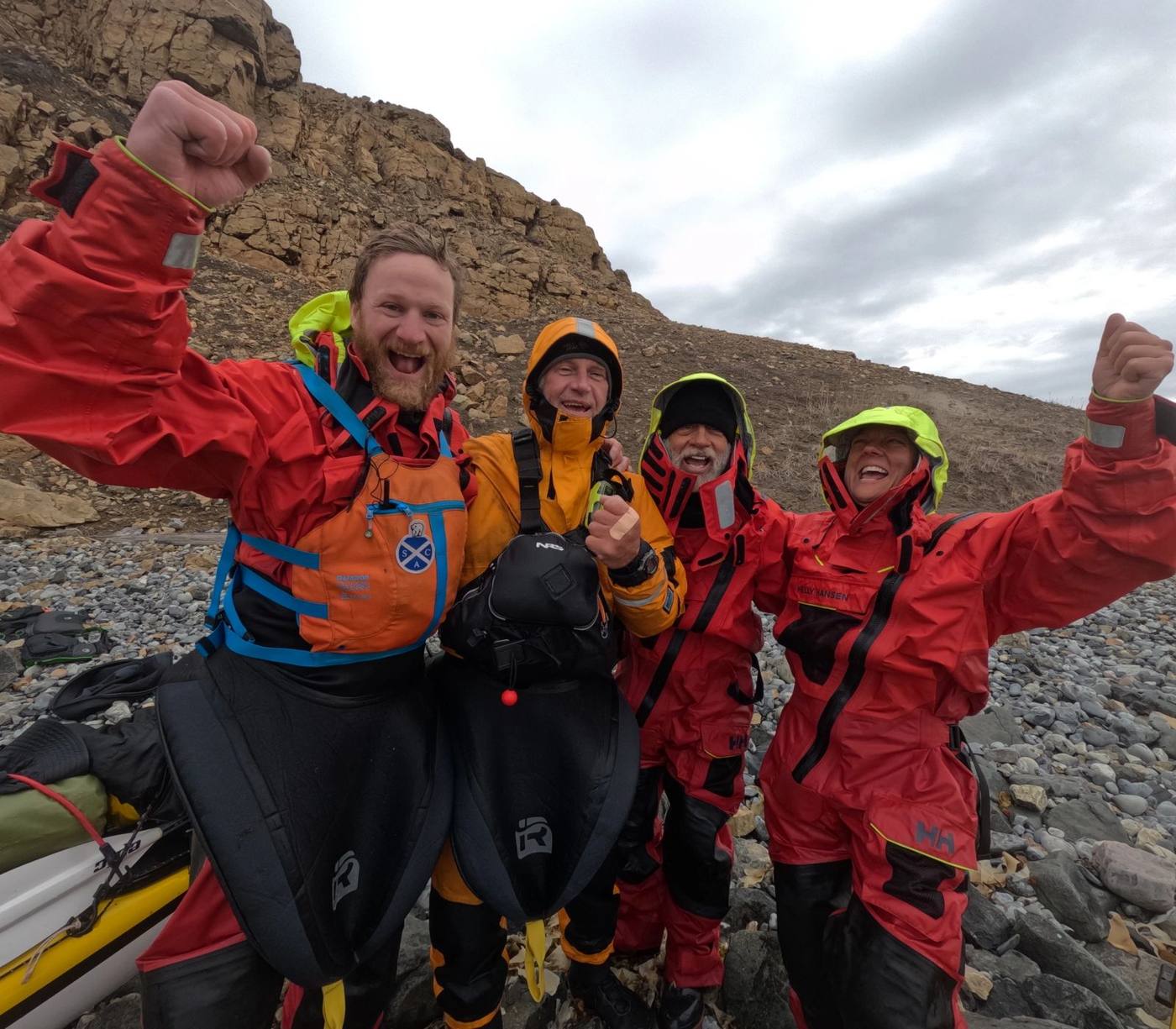 From novice to world record setter in two years.
From novice to "one of the most impressive kayak expeditions in recent years"
In March 2020, I went sea kayaking as a novice. In summer 2023, three teammates and I became the first people to kayak the Northwest Passage (NWP). We travelled for 103 days through the Arctic - I won European Adventurer of the Year, Endurance Asia Extraordinary Feat of the Year and the expedition was ranked #2 in ExplorerWeb's expeditions of year calling it "one of the most impressive kayak expeditions in recent years". I now travel the globe telling my story.
Enquire about a talk today
Not only were we the first to kayak the NWP, but also the first to do it under human power beating a couple of rowing teams for the human powered accolade.
Here's how I went from novice to 2x World First Record setter in two years. My approach applies to all walks of life.
- Take opportunities
- Transferable skills
- Be humble
- Off the deep end
- A patient team
Take opportunities
An opportunity you aren't prepared for is still an opportunity. Opportunities don't come twice. Take it and learn the necessary skills later. By the time you're ready, it could be gone. Being there is more important than being ready.
The opportunity you have is better than the one you don't have even if you aren't prepared for it.
In fact, a 10 year study by the Harvard Business Review (HBR) found that those who become CEOs fastest do so by making a bold career move. "These executives threw caution to the wind and said yes to opportunities even when the role was well beyond anything they’ve done previously and they didn’t feel fully prepared for the challenges ahead."
Opportunity one:
I had done a lot of coastal rowing. A friend confused coastal rowing with kayaking. He introduced me to someone who needed a partner to enter the Yukon 1000 kayaking race, one of the hardest ultra kayaking races on earth. I explained that I wasn't a kayaker but said I was keen.
It was 2020, and The Yukon 1000 was cancelled like everything else. But I had fallen in love with kayaking via my training.
Opportunity two:
I had been training for years to attempt to row the NWP, but I began to think that despite my preparation the expedition wouldn't go ahead, and if it did, it wouldn't finish. Our rivals for the human powered world first, a kayaking team called The Arctic Cowboys, needed another kayaker.
I reached out in 2022 and they accepted me.
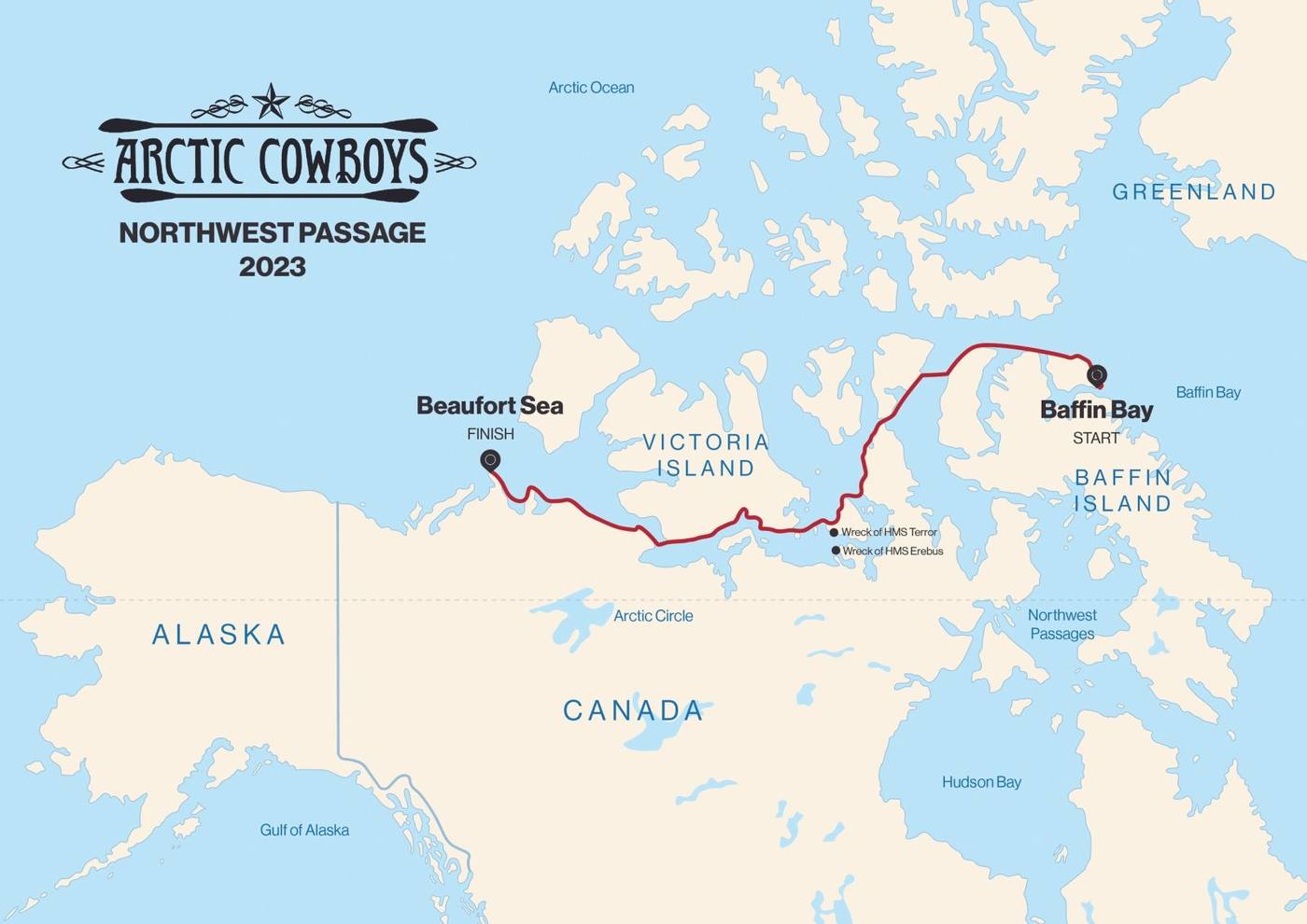
And so, at the last minute, I switched from rowing to kayaking.
Even though I had been kayaking for about a year by that point, I was still very much at the start of my journey. The rest of my team were record setting ultra kayakers, far more experienced than me. I was out of my depth. By the time I was in my depth, they would have finished the NWP and I would have lost my chance to join them.
Transferable skills
We all have more transferable skills than we think. In any career, we might think we've become pigeon-holed by our experience but our wealth of knowledge is always transferable, even if it requires a taking step down the ladder before accelerating up.
"Sometimes you have to move backward or sideways in order to get ahead," said the same HBR study into how CEO's accelerate their careers.
I had confidence that I could pick up kayaking quickly because I had a background in rowing. The sports are vastly different and seemingly have nothing in common. But I knew that my time on the water would stand me in good stead.
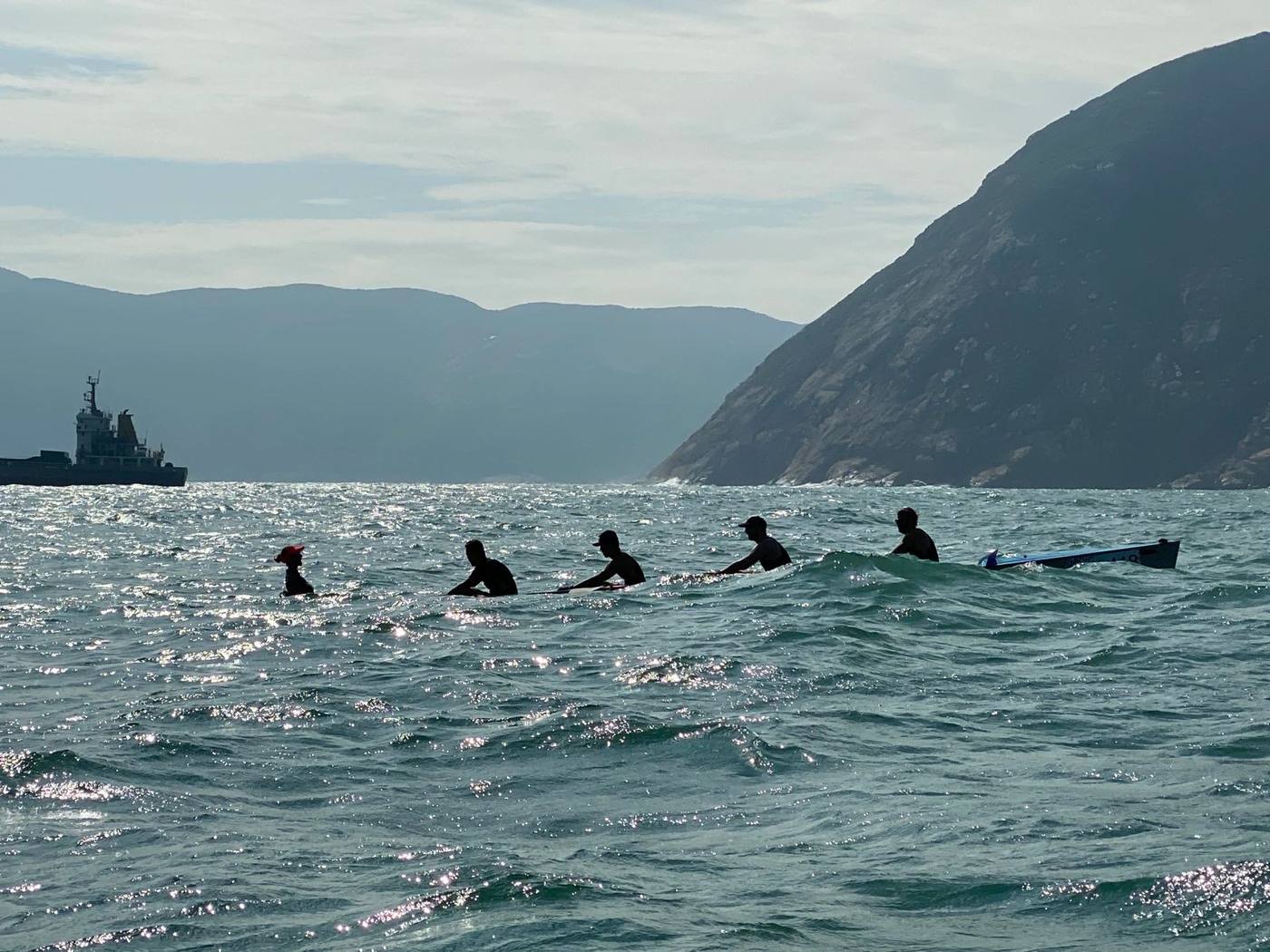 Coastal rowing around Hong Kong Island, and gaining a host of transferable skills.
Perhaps my most important transferable skills were my fitness and ability to suffer. I had the mental skills to put up with extreme discomfort and danger for weeks on end, learned through countless other adventures and ultra events.
What's more, I had other skills that kayakers might not necessarily have. I'd spent a lot of time on the ocean sailing and coastal rowing, and I pride myself on my GPS navigation. My NWP teammates were exceptional river kayakers where a GPS isn't always necessary. They could paddle much faster than me, and I could reduce our total distance by cleverly using the GPS.
We all benefitted from our diverse backgrounds. A team solely of river kayakers would have gone faster but further, a team solely of the likes of me would have gone slower and less distance. Together, we travelled fast and efficiently.
Humble
I had opportunities, I had transferable skills, but I was under no illusion, I was the least experienced in the team. If you're going to start something new, get ready to listen to others.
Even in the NWP, I accepted advice. As we crossed the 50 mile wide Prince Regent Inlet, something only expert kayakers would be stupid enough to try, my teammates were telling me to keep my hands higher as I went through my stroke, and I thanked them for their considerate advice and tried my best to implement it. It was an unlikely place to be getting such simple advice.
Off the deep end
Sometimes, the best approach is to walk before you can run. Other times, it's about jumping off the deep end. You have to decide which is best for your scenario.
I went off the deep end.
Once I had signed up to the Yukon, I rented a sea kayak and did 40km to a remote island on the Northeast of Hong Kong with a friend of mine called Rory. I had done some kayaking before, like renting a sit-on-top and paddling around the beach. When I was 11, my dad and I did a sea kayaking holiday on Skye in Scotland, but that was 20 years ago. For all intents and purposes, I was completely new to it and I did 2km short of a marathon on my first day (then three more days of committing kayaking).
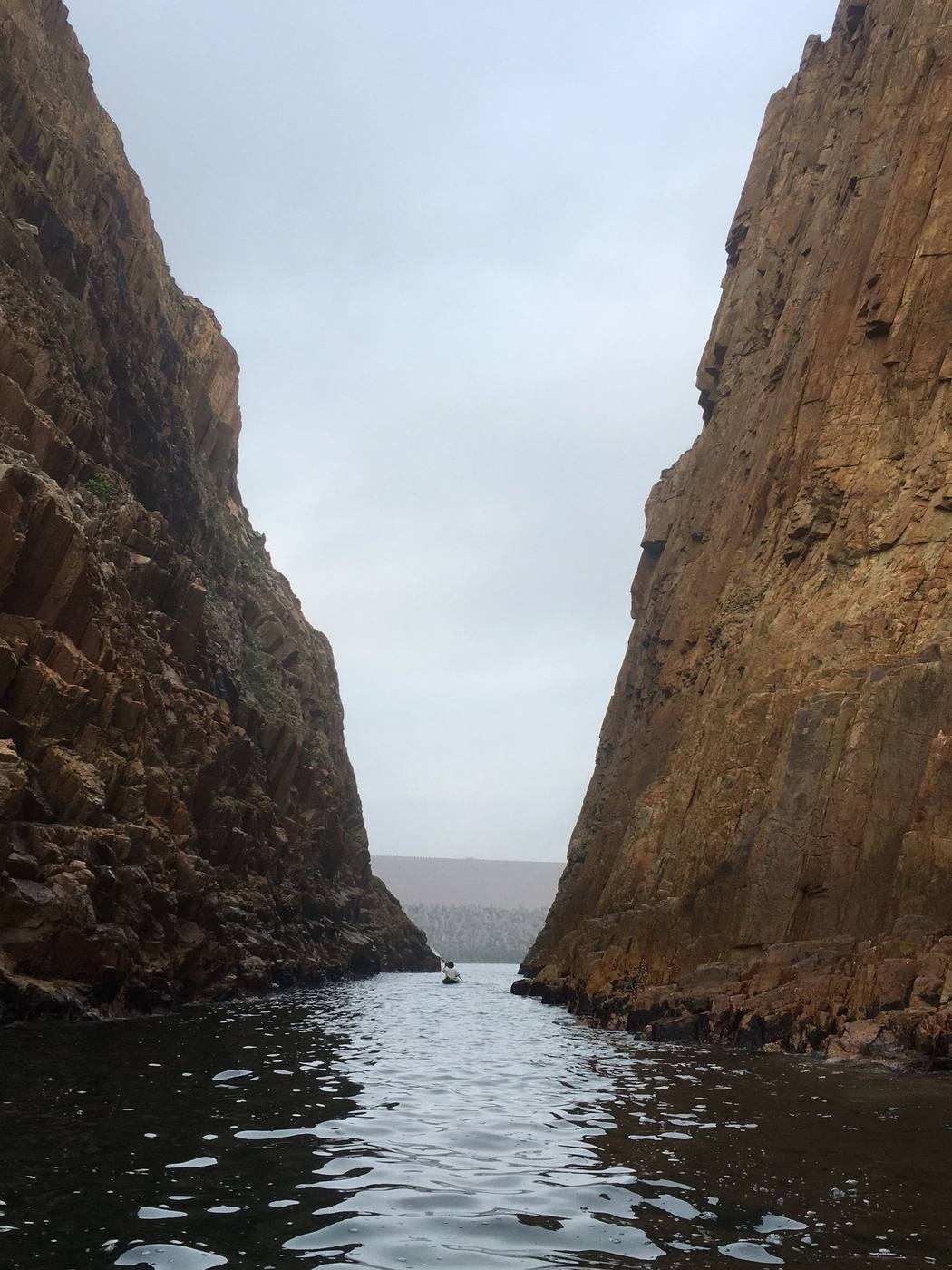 Kayaking 40km - my first proper day of sea kayaking.
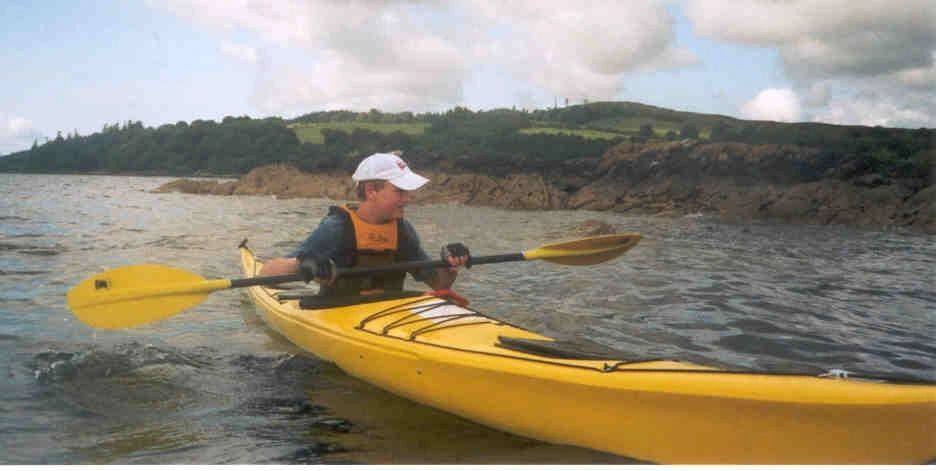 Kayaking on Skye aged 11.
As I prepared for the Northwest Passage specifically, I visited Jeff Allen - an expert kayaker in Cornwall. I told him to put me through hell and he did. I was put in breaking waves and told to stay upright. I was flipped out my boat a mile offshore and told to get back in, then I paddled a flooded boat back to shore.
I didn't have the time to start in the shallow end. I had to go for it. It was sink or swim (perhaps literally).
A patient team
Imagine being an expert kayaker, taking on one of the most challenging expeditions on earth, and you're having to go 85% your maximum effort to accommodate a newbie, occasionally pulling along side and giving advice. Not only would it mentally draining, it would actually be physically uncomfortable as you get cold going slowly.
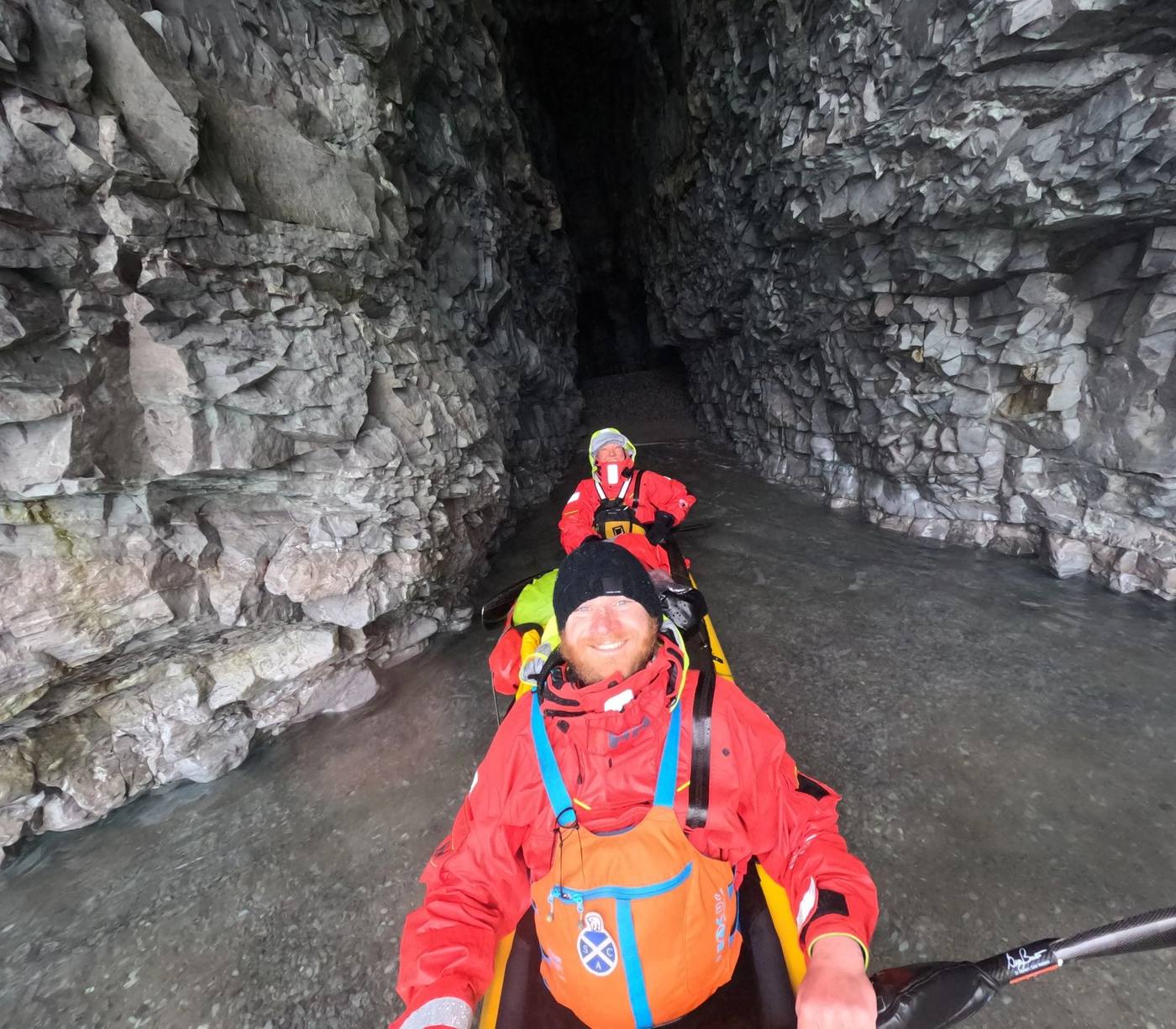 Eileen, in the back of our kayak, gave many useful coaching tips.
That is what my teammates, at times, had to put up with, and they did so with grace. For all my opportunity grabbing, transferable skills, being humble and jumping off the deep end, it wouldn't have been possible without my teammates' patients - Jeff, West and Eileen were saints (generally!).
My kayaking improved quickly under their tutelage. My boat was never as fast as the others, but we regularly knocked out 40 mile days in around 10 hours. We weren't slow.
So, take a leap. Go for something new. Be prepared to step down the ladder to shoot up it. The 10,000 hour rule is a myth.