 Mark Agnew
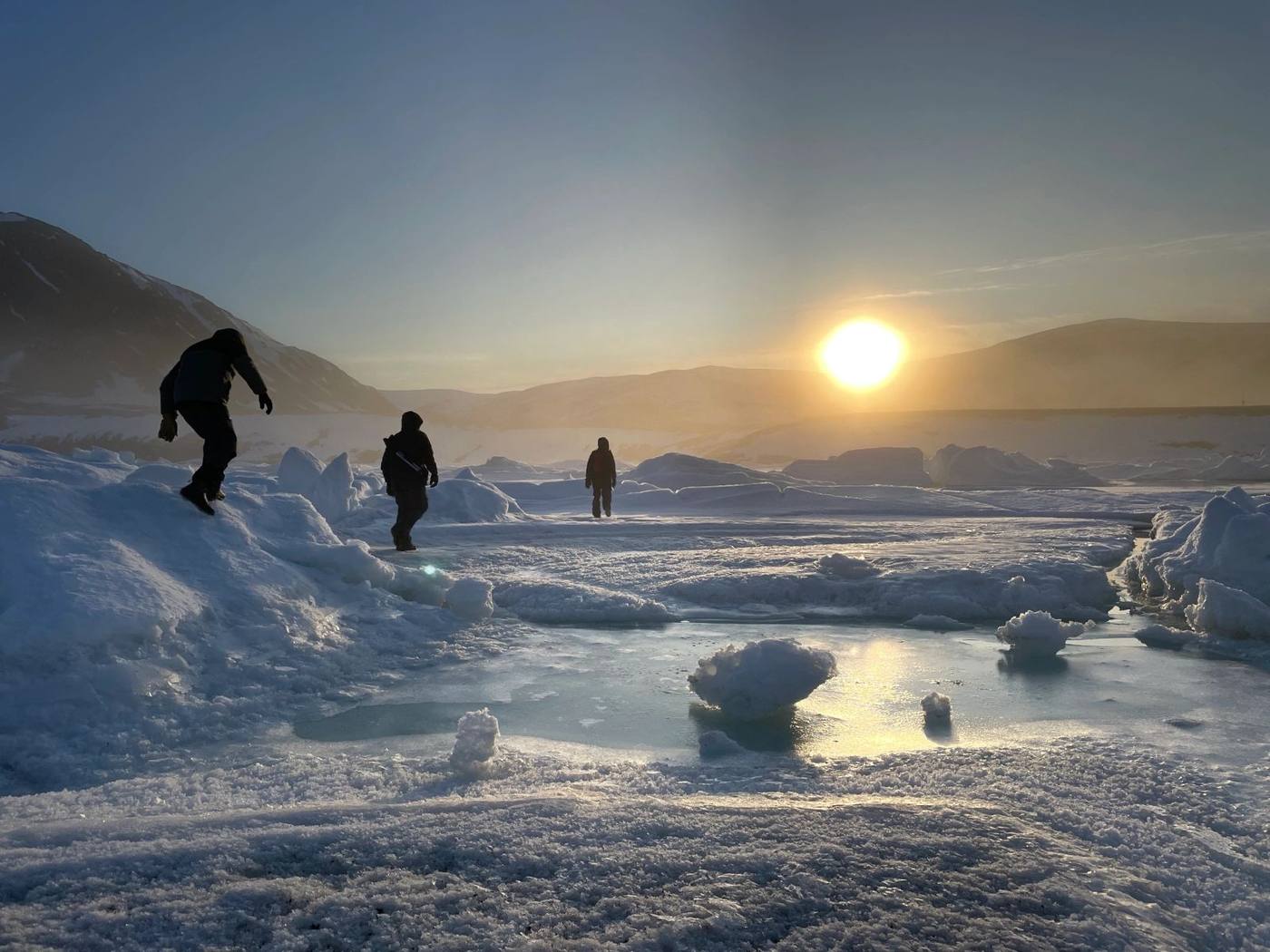 Mark Agnew, adventure speaker, helps companies build resilience for change and growth.
Build resilient teams that thrive even when the pressure is off, with adventure speaker Mark Agnew
Resilience is associated with adversity, but resilience is just as important during calm periods, when the risks are different but just as potent. Times are good for Pharma at the moment. Many of my corporate pharma clients are saying "we don't need resilience, it's all plane sailing". They might be at their most vulnerable.
Enquire about a talk from Mark Agnew, Adventure Speaker, today
Avoid complacency
There are shipwrecks aplenty across the corporate sea. Might companies that looked like they could never spring a leak quickly disappear. Nokia had a bigger market share of the mobile industry than Apple have today. Within a decade of the launch of the iPhone, Nokia had shut down. Kodak invented the digital photo and hid it, worried it would cannibalize its own product. Kodak shut down too. I often reference these examples during my adventure motivational talks for corporate clients.
Pharma is full of examples too. Merck & Co. was at the top of the pharmaceutical world, plain sailing with drugs like Zocor and Vioxx. It could never end. Merck relied too heavily on a few big products and didn’t move fast enough to diversify or prepare for patent expirations. When Vioxx was pulled from the market and Zocor went generic, billions in revenue vanished almost overnight. Key successes like Keytruda came later and transformed the company, but what if they’d been innovating and driving for new solutions and products when times were good and they had the space to do so? The patent cliff wouldn’t have been so devastating.
The lesson is simple: don’t wait for a storm to start fixing leaks. Act now, when the sea is calm and reap the rewards later.
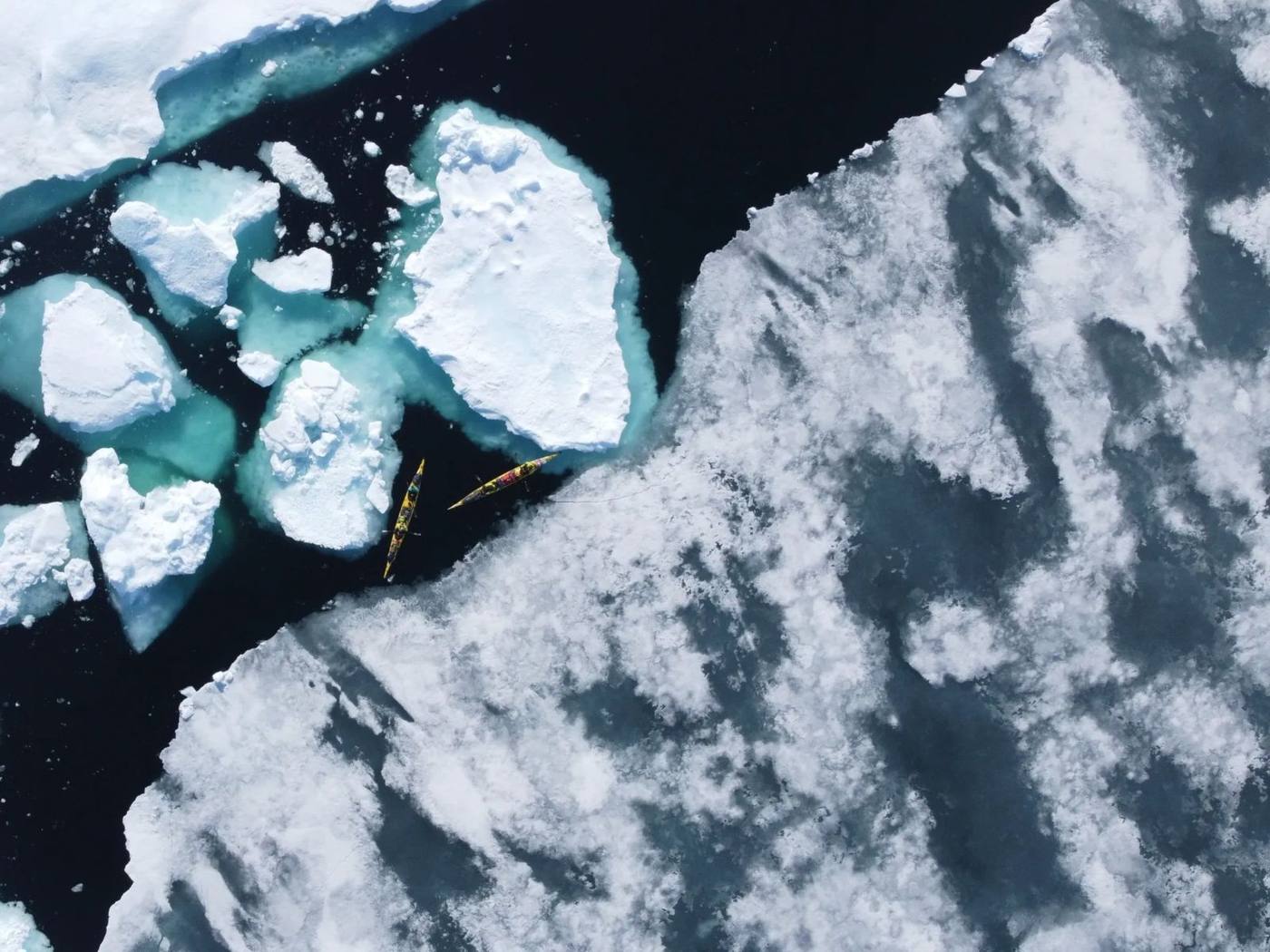 Mark Agnew, adventure speaker, navigating changing conditions in the Arctic.
My teammates and I set two world records for kayaking the Northwest Passage and I was awarded European Adventurer of the Year. The trip was delayed due to Covid-19. This meant I had more time to prepare. I could have rested and waited, knowing there was no pressure to get fit soon, given the timeline of the pandemic. Instead, when the pressure was off, I leapt at the opportunity to experiment with different forms of training and mental preparation, which I could apply when I truly needed it later.
Build resilience in calm seas
- Innovation task force — Use the time and space to brainstorm. Set up a designated task force whose role it is to innovate. Give them permission to experiment and fail, so they are doing the exploration in calm waters, readying the company for unforeseen storms.
- Education — Engaging in lifelong learning is beneficial for more than just the obvious reasons. It gives your employees a sense of purpose and drive, even when the pressure is off. Not to mention all the new skills they can apply when the storm comes.
- Stretch goals — Big, achievable goals, motivate your staff and give them purpose when they could coast. I set myself personal challenges throughout my preparation, to stay motivated and engaged, like rowing for 12 hours straight in the dark, trying to set personal bests in the gym or even running an ultramarathon.
Avoid toxic motivations
Toxic motivations are when the driver is negative, like fear of losing your job or falling behind a competitor. They lead to burnout and what’s more, they don’t work when times are good.
Instead, you should foster a culture of positive motivations, about wanting to challenge yourself and form bonds with your colleagues.
Define the journey — We all know it's the journey, not the destination. But what does the journey really mean? It's a bit abstract. If you define the journey you'll be happier, more resilient and have better outcomes. There are four ways to define a journey. Is it:
- A challenge?
- For the experiences?
- About the relationships?
- Or for a meaningful cause?
When you focus on these intrinsic goals and not external pressures, your staff will be happier, hardier and ironically more likely to achieve the external goal. In the Northwest Passage I was there for the challenge, the experience, the camaraderie and to raise money for charity. All of these were more potent motivations than the simple goal of reaching the end and setting world records, which often was so far away it felt abstract.
When your staff say, I want to challenge myself, have a new experience and build bonds with my colleagues, they will push themselves to learn new skills, innovate and reach new heights.
A sense of personal challenge, growth, camaraderie and satisfaction will keep your staff motivated and hungry, whether in calm seas or a raging storm. Don’t leave it until the storm has already arrived to start building resilient motivations.