 Mark Agnew
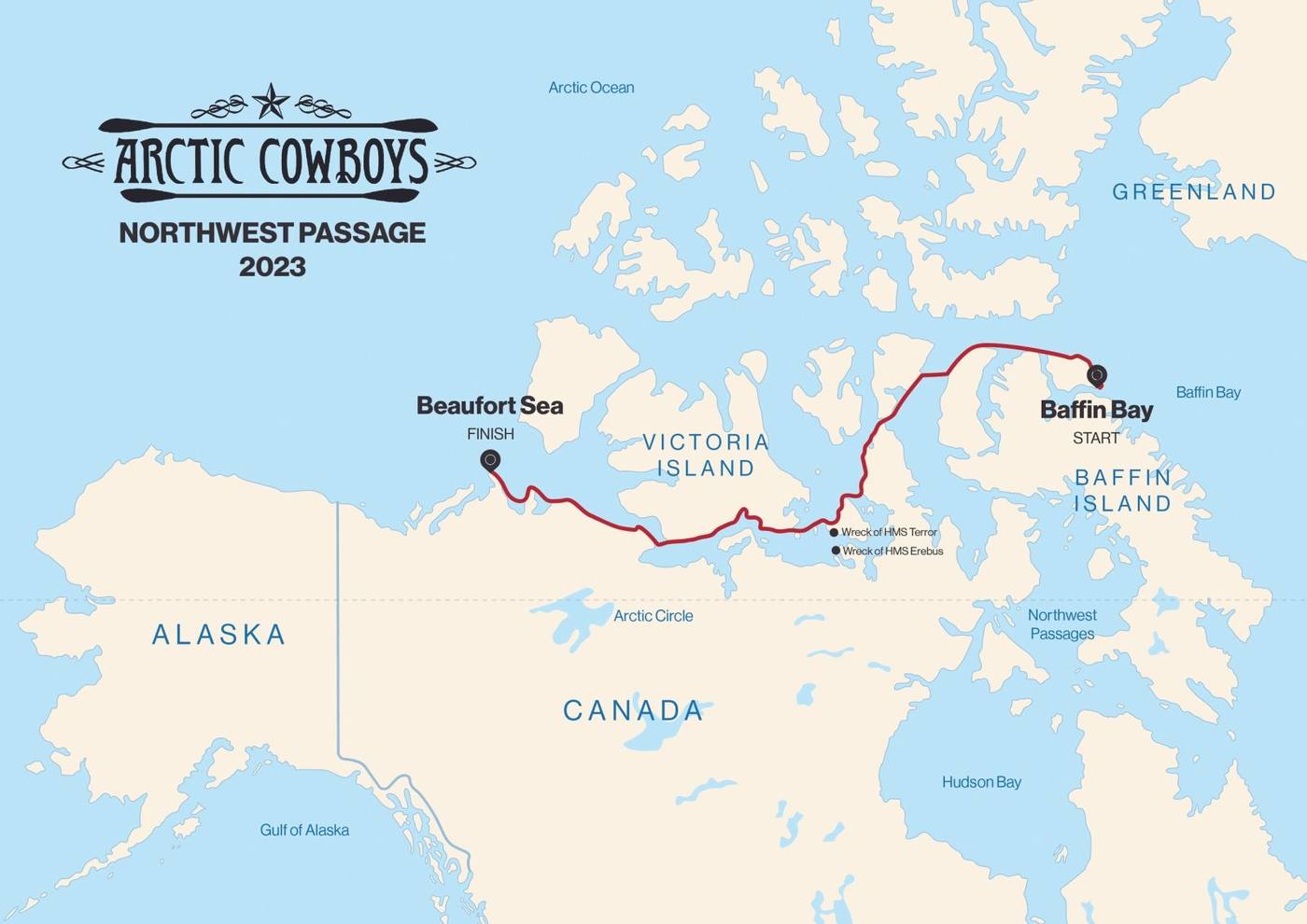
The route made famous by Sir John Franklin aboard HMS Terror and Erebus
The Northwest Passage is the Arctic route that links the Atlantic to the Pacific.
People define the Northwest Passage differently - sailors often say it is from Arctic Circle to Arctic Circle. Human powered attempts usually define it as from Baffin Bay to Beaufort Sea.
The International Hydrographic Organization defines the Northwest Passage as the Beaufort Sea to the east coast of Bylot and Ellesmere Islands (Baffin Bay). The International Hydrographic Association is the world's leading authority in maritime mapping and research.
Mark Agnew and a team of adventurers (expedition leader West Hansen, Jeff Wueste and Eileen Visser) are attempting to kayak the entire route. It will be the first time it has all been kayaked. It will also be the first time it is completed in a single summer with just human power, no motors or sails.
Contact Mark Agnew today
The kayakers are using the The International Hydrographic Association's defination.
With that in mind, Mark and his kayaking team will travel through the Canadian Archipelago, from Baffin Bay to Beaufort Sea. This constitutes the entire passage through the island corridors.
It is only possible because the ice is disappearing for longer each year. A century ago, the Passage was only open for a few weeks each summer, but now the kayakers have at least 90 days to complete the 2,000 mile journey.
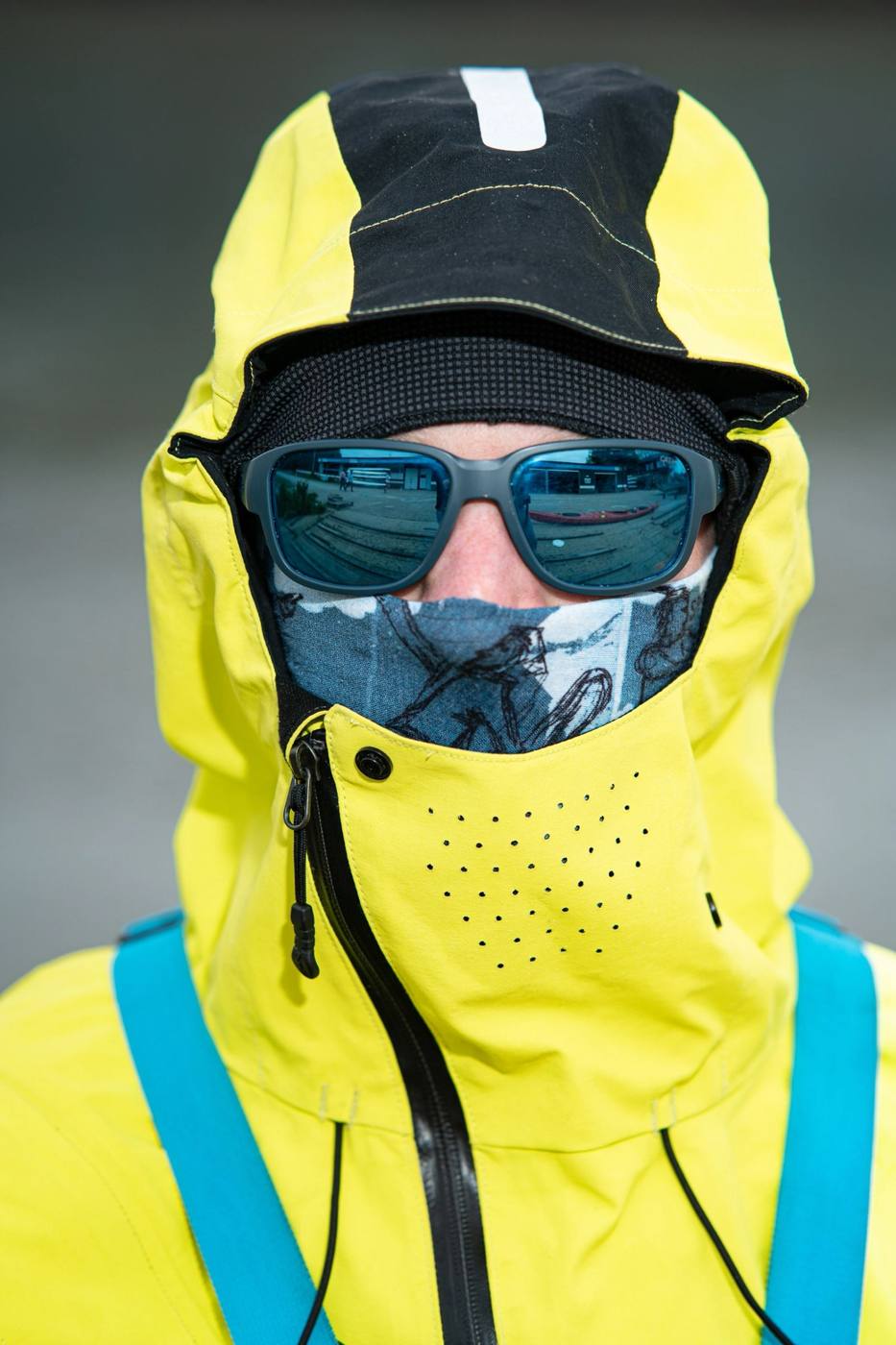 Mark Agnew is attempting to kayak the entire Northwest Passage
Other adventurers have made incredible journeys through the Northwest Passage, and some in kayaks. However, they have started in different places, portaged sections, or completed it over several summers travelling home during the winter.
For example, French rower named Charles Hedrick completed the entire route over three summers.
In 1991, kayaker Victoria Jason started from Churchill, Manitoba and took four years, going home for winter, to reach Tuktoyaktuk. She wrote a gripping account in "Kabloona in the Yellow Kayak: One Woman's Journey Through the Northwest Passage".
There's a detailed list of the incredible adventures by human power in the Northwest Passage here.
A brief history of the Passage
The Northwest Passage was sought by Europeans for centuries. They hoped to find a quicker route to Asia, rather than going around Africa or South America.
Britain in particular focused on finding the route so they did not have to go via Spanish or Dutch colonies to Asia.
The first quest explicatory set on finding the Northwest Passage was undertaken by Martin Frobisher in 1576.
In the 19th Century, Britain became obsessed with trying to find the Northwest Passage. There were numerous expeditions sent to locate it.
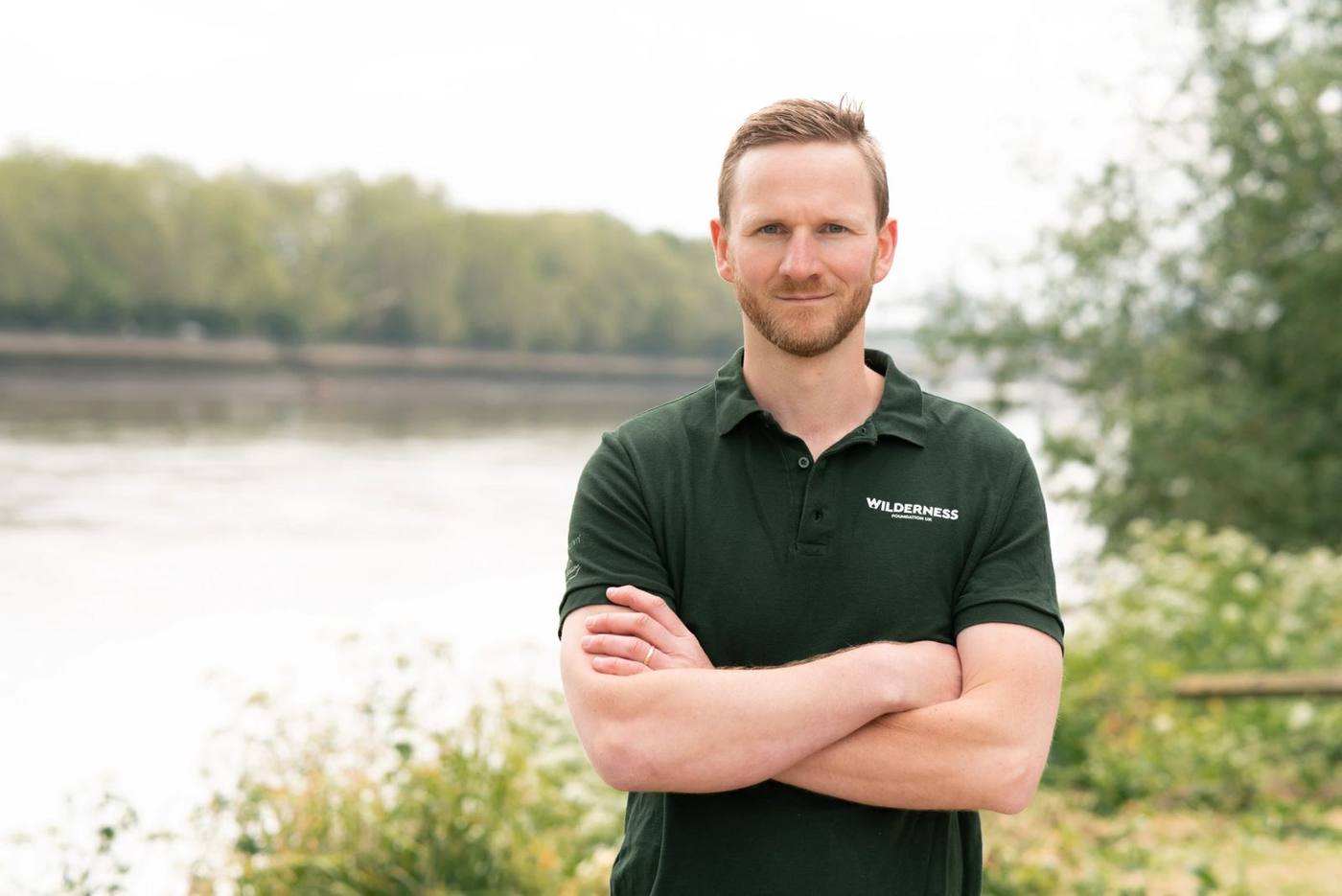 Mark Agnew is raising money for Wilderness Foundation UK
Most famously, Sir John Franklin led an expedition in 1845 aboard HMS Terror and HMS Erebus. The boats disappeared. It was later discovered that they had become ice bound, and the crew starved. Many of them resorted to Cannibalisms.
Rather than ending the hunt for the Northwest Passage, this tragedy sent it into hyperdrive. State and privately funded expeditions flooded to the Arctic to find Franklin long after it was clear he and the crew were dead.
These stories have become part of the British lore. Even in the last few years there was a BBC drama called "The Terror" and Michael Palin wrote a best selling book called "Erebus".
The stories often ignore the important role of the Inuit, who have been living in the region for centuries and helped the British on numerous occasions. A fantastic book called "Dead Reckoning" by Ken McGoogan tells the tale and puts the Inuit at the centre of the story.
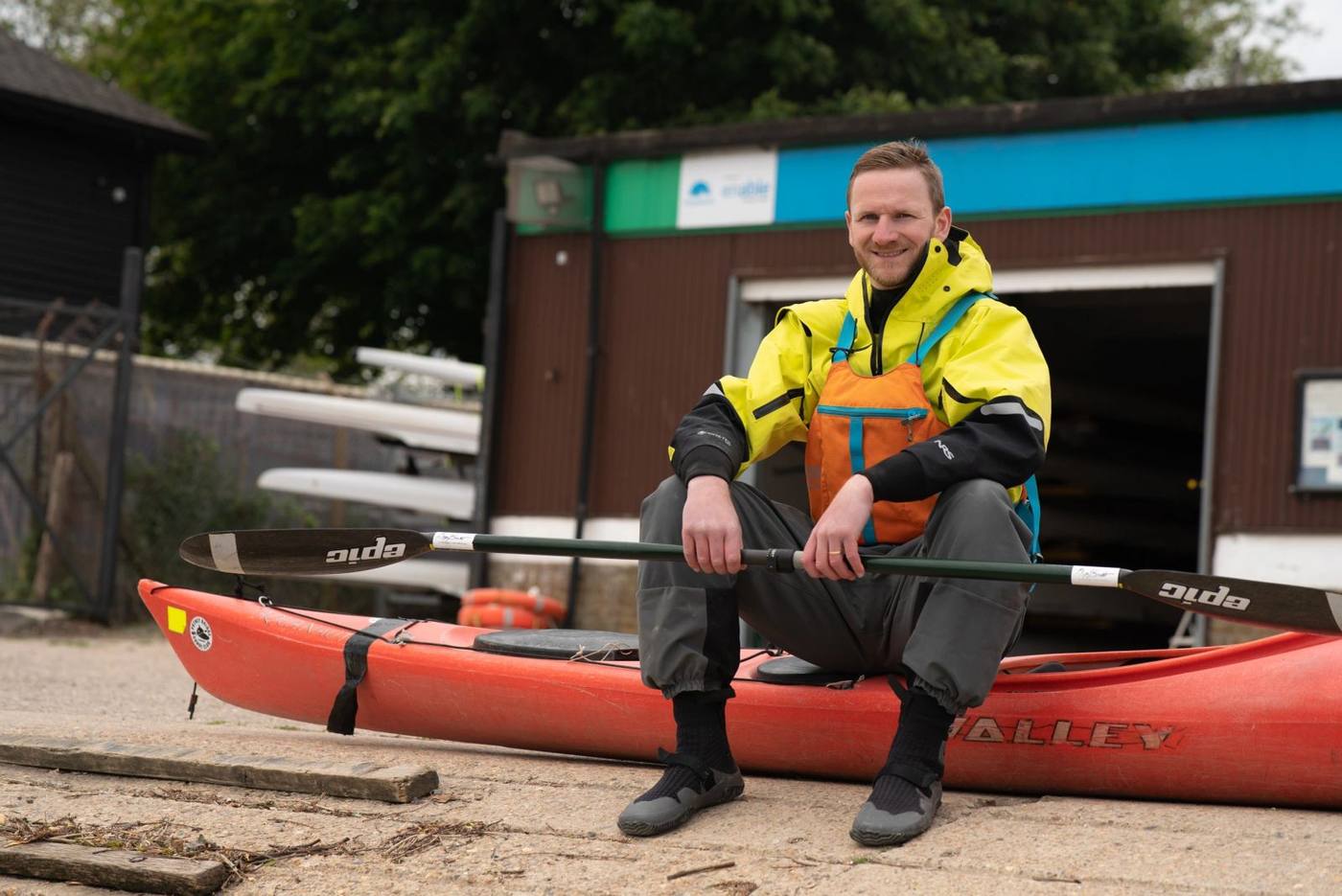 Mark Agnew and his team have around 90 days to complete the Northwest Passage
The Passage was finally located by John Rae, a Scottish explorer, in the 1850s. By then, the legend of Franklin was embedded in the British imagination.
Rae, who bought news of the cannibalism, was sidelined. Racist press (including columns by Charles Dickens) insisted the Inuit accounts of Franklin's fate could not be believed. At a time when Britain was "civilising" the world, it was inconvenient to have stories of their most famous explorer engaging in cannibalism.
Despite Rae's achievements, he lived in the shadow of Franklin's incorrect mythology.
The Northwest Passage is now at the forefront of climate change. The ice is disappearing, and this is having a disastrous effect on wildlife and Inuit way of life.
You can donate to Mark Agnew's charity page, for Wilderness Foundation UK, here.