 Mark Agnew
 Community makes you resilient.
There's a fourth C no one is talking about
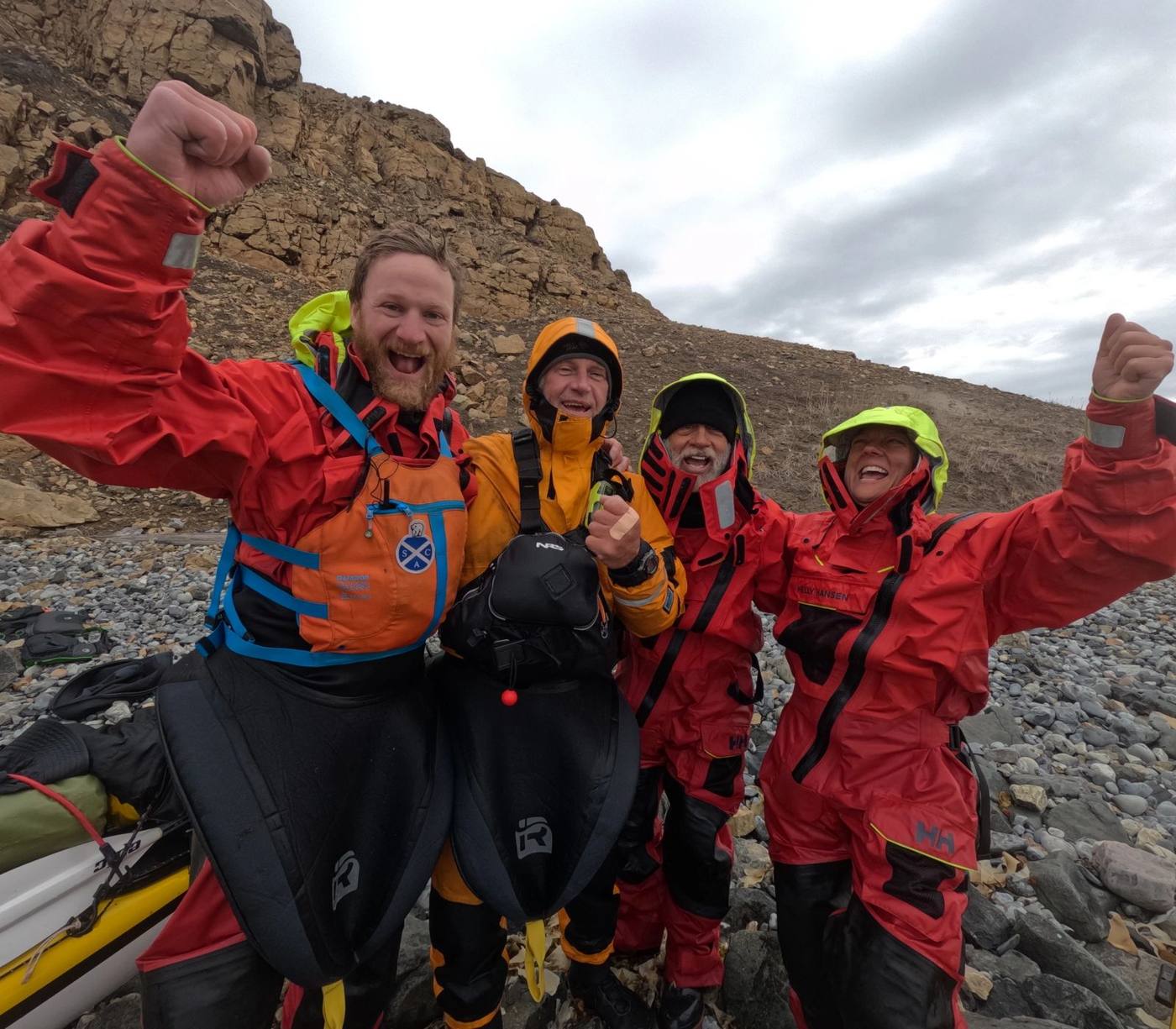
Resilience was an integral part of our success in the Northwest Passage. Three teammates and I, called The Arctic Cowboys, became the first people to kayak the entire Arctic route. I needed a lot of resilience just to get to the start, and then even more to see out the 103 day expedition that was packed with polar bears, storms, sea ice, uncertainty and countless ultra-marathon distances by paddle.
Playing the bagpipes at the Gates to Hell - Read More Here
Resilience, the ability to overcome difficulties and bounce back from setbacks, was so core to our success I reached out and interviewed two psychologists prior to departure. They helped me understand what resilience is and importantly how to train it. I now travel the country and give talks sharing my lessons and how I applied them.
Enquire about a talk today
But there is one thing I think has been missed.
Initially, I learned there are three C's of resilience.
- Control - resilient people focus on what they can control and easily let go of the factors outside their control. When we were trapped off-shore by ice, for example, I explicitly said to myself: "What can I control here? I can't control the ice, but I can regulate my emotions, stay calm and have faith in my ability to kayak indefinitely until we find a route back to shore". Suddenly, it wasn't an overwhelming situation.
- Commitment - it's easier to be resilience for something you care about. I was committed to the idea of the Northwest Passage, I wanted to do it, so I found a way to overcome the obstacles, particularly the ones that were frustrating the planning phased of the expedition, before I'd even started. On the journey, when it got hard, I reminded myself why I wanted to be there - to be immersed in nature, to achieve two world firsts, to have an experience of camaraderie - all it all felt easier. It made me more resilient.
- Challenge - resilient people reframe obstacles as challenges. When we came across a seemingly endless mass of pack ice, I wouldn't think "well, no more miles today", I'd reframe it as part of the challenge and ask "how are we going to get round or through this, no matter how long it takes".
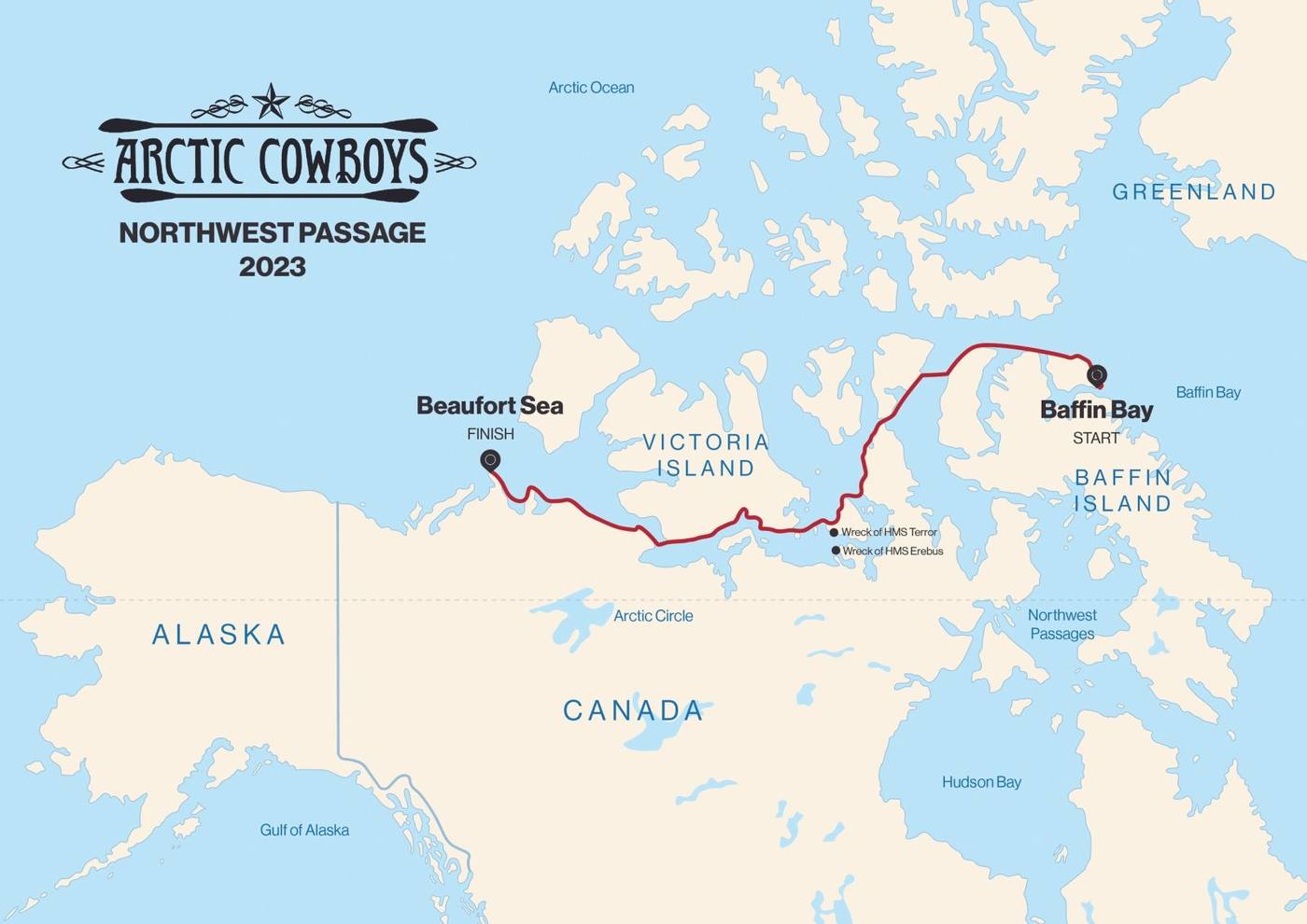 The Northwest Passage.
All of these C's are trainable. I put myself in countless situations to manufacture the hardship I'd find on the expedition to build up my resilience. I started small and increased the stakes with every mini-expedition, always with the mindset "How can I apply the Three C's, so I can easily deploy them when everything is on the line, our lives and the expedition, in the Northwest Passage".
Of course, sometimes I came up short. But just like getting stronger in the gym, sometimes you have to overextend and lift more than you can, so you fail to get stronger. By the time we departed shore in the Arctic, I was mentally as strong as I could be.
But there is a fourth C that doesn't make the conventional three C's.
- Community - I am more resilient because of the people around me. This is both practical and emotional. Practically, I would not have been able to do the Northwest Passage without a community supporting me - particularly my wife. She took up the slack for the duties I was leaving behind, particularly parenting. Friends and family in turn helped her with her new massive workload I dumped on her to pursue my dream, so the web was enormous. Emotionally, I failed to row the Atlantic twice and it hurt me. People say that getting back on the horse a third time and achieving something even more immense was a sign of resilience, but it was also made possible by my community, supporting me and helping me lick my wounds and rediscover my confidence.
- Another Community - Not to mention my teammates. For whatever highs and lows we experience, or inevitable team tensions, we shared an iron will to get to the end. We literally never discussed stopping or what an exit plan would look like. It's easy to be resilient when everyone around you is equally committed. I'm sure it would have taken more mental strength to focus and finish had one of us, even sensibly, started talking about quitting. That nagging voice that a resilient person can ignore would have been made manifest in reality and require more resilience to ignore. All of us were doggedly determined to get to the end.
So, who's your community to helps you remain resilient?