 Mark Agnew
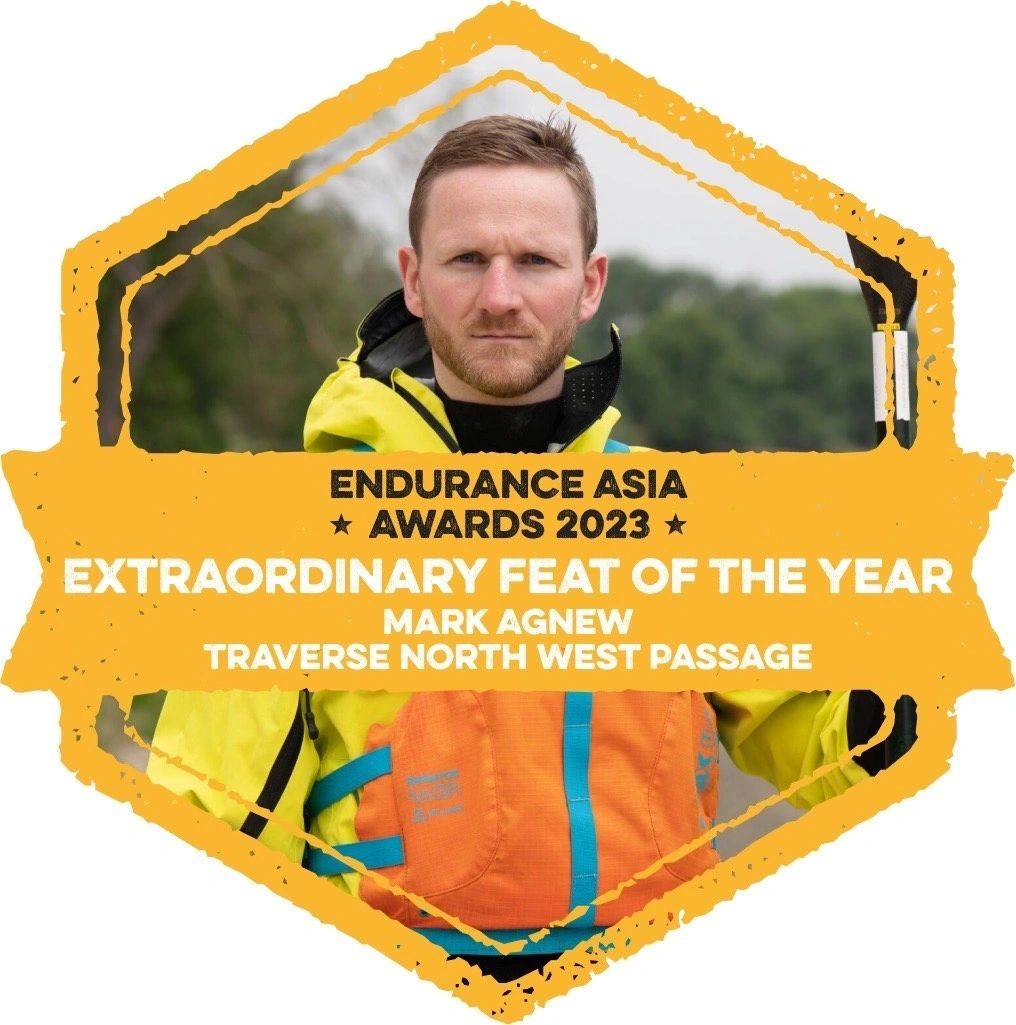 Endurance Asia's award means a great deal to me.
What the Hong Kong trail and ultra community taught me
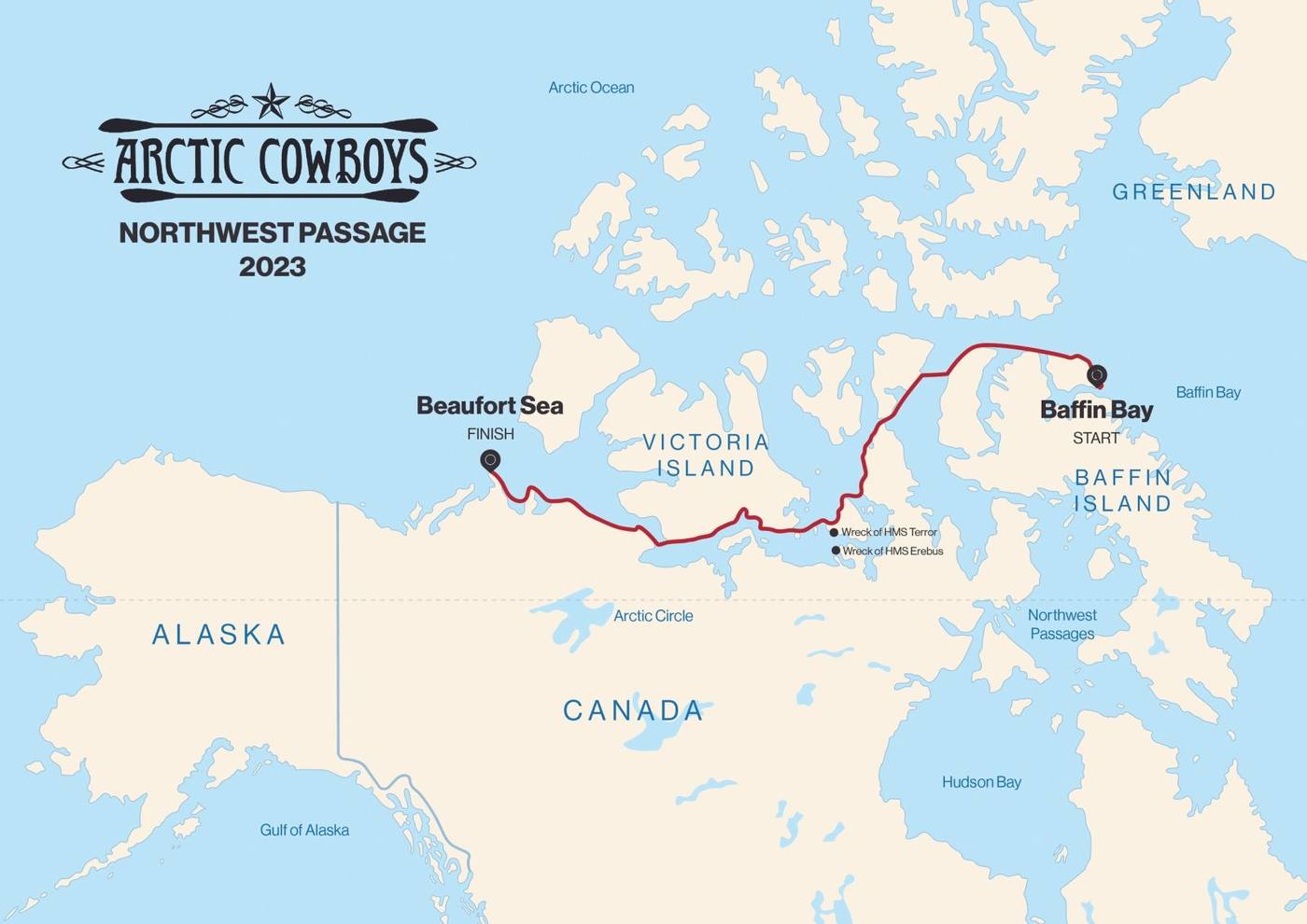
Since my teammates and I became the first people to kayak the entire Northwest Passage the accolades have flooded in. I was on the BBC, ITV, the radio, countless podcasts and in literally hundreds of newspapers. I won European Adventurer of the Year 2023 and we were named #2 in the Top 10 expeditions of the year by ExplorersWeb. I've been invited to talk to schools, companies, on cruise ships and to prestigious organisations like the Royal Scottish Geographical Society.
But there is one piece of recognition that holds a special place in my heart. I was awarded Extraordinary Feat of the Year by the Singapore-based podcast Endurance Asia. I'd love to come back to Asia and deliver talks to schools and companies, and here's why.
Enquire about a talk today
The hosts - Scott Pugh and Ric Stockfis - had to do a bit of mental gymnastics to make sure I was eligible for the award. I live in London, I'm from Scotland, but I did live in Hong Kong and much of my Northwest Passage preparation took place in Asia, so that just about qualified me for the Endurance Asia awards.
The reason this particular award means so much to me is that I learned so much from the Hong Kong trail running community. Without the countless runners who took the time to share their story with me I'm sure I wouldn't have been as well prepared for the Northwest Passage. To now be recognised by Endurance Asia reminds me of all I gained from that community and makes me feel like a member of their fraternity, even from the other side of the world. It warms my heart.
I was the Outdoor Sports Editor for the South China Morning Post. I interviewed runners as they prepared for, or finished, ultra marathons. I interviewed beginners setting out to run an ultra for the first time. And I interviewed experienced runners who'd just finished 298km. I interviewed everyone in between.
This is the three most important things I learned and how I applied it to the Northwest Passage:
Mental energy is finite:
To have the best running session, have a good night's sleep, eat well, hit the trails feeling fresh and focused. But many of the runners who take on massive distances have a different approach.
They hit the trails on a Friday evening after a long week of work. They intentionally time their long run when they are at their mental lowest. All anyone wants to do after a week in the office is sit down, watch TV, eat, maybe go to a bar and have a beer.
The last thing anyone wants to do is pull on their running shoes and hit the trails. And that's the point.
 Kayaking the Northwest Passage.
You get used to pushing yourself when you want to quit. It replicates the hardest moments in races. You also get used to concentrating when you are already low on mental reserves.
Mental energy runs out, just like physical energy does. And if you train your mind when it's already low you can increase your mental strength and your capacity to run on fumes, just like you can increase your physical capacity and your ability with withstand physical discomfort.
With this in mind, I planned a big session on a Thursday night after a stressful week. I went to Deep Water Bay in Hong Kong at 8pm. Then I rowed, by myself, back and forth over a few kilometre strip for 12 hours straight until 8am. I practiced pushing myself when I was tired, pushing myself when I was bored, pushing myself when the option to give up was very accessible as I was right next to the boathouse and pushing myself when my mental energy was already low.
It goes without saying, all of these skills were crucial during the 103 day expedition in the Arctic.
This too shall pass:
Before I got my job at the SCMP, I went to run a race in Indonesia. It was up a volcano in Lombok. In the early hours of the morning, I began to throw up. Either I'd pushed myself too hard to keep up with my fitter friend or it was the altitude. Either way, I stopped and exited the race. Obviously, I couldn't go on. When you start to throw up, it's a clear sign that something is wrong. And with over half the race to go, it was only going to get worse.
Then I interviewed dozens of runners over the next few years who had put up with worse. They had the experience and the self-confidence to know that "this too shall pass". Ultra events are long enough that massive lows are inevitable sooner or later. It's a matter of getting through them and knowing that things will improve.
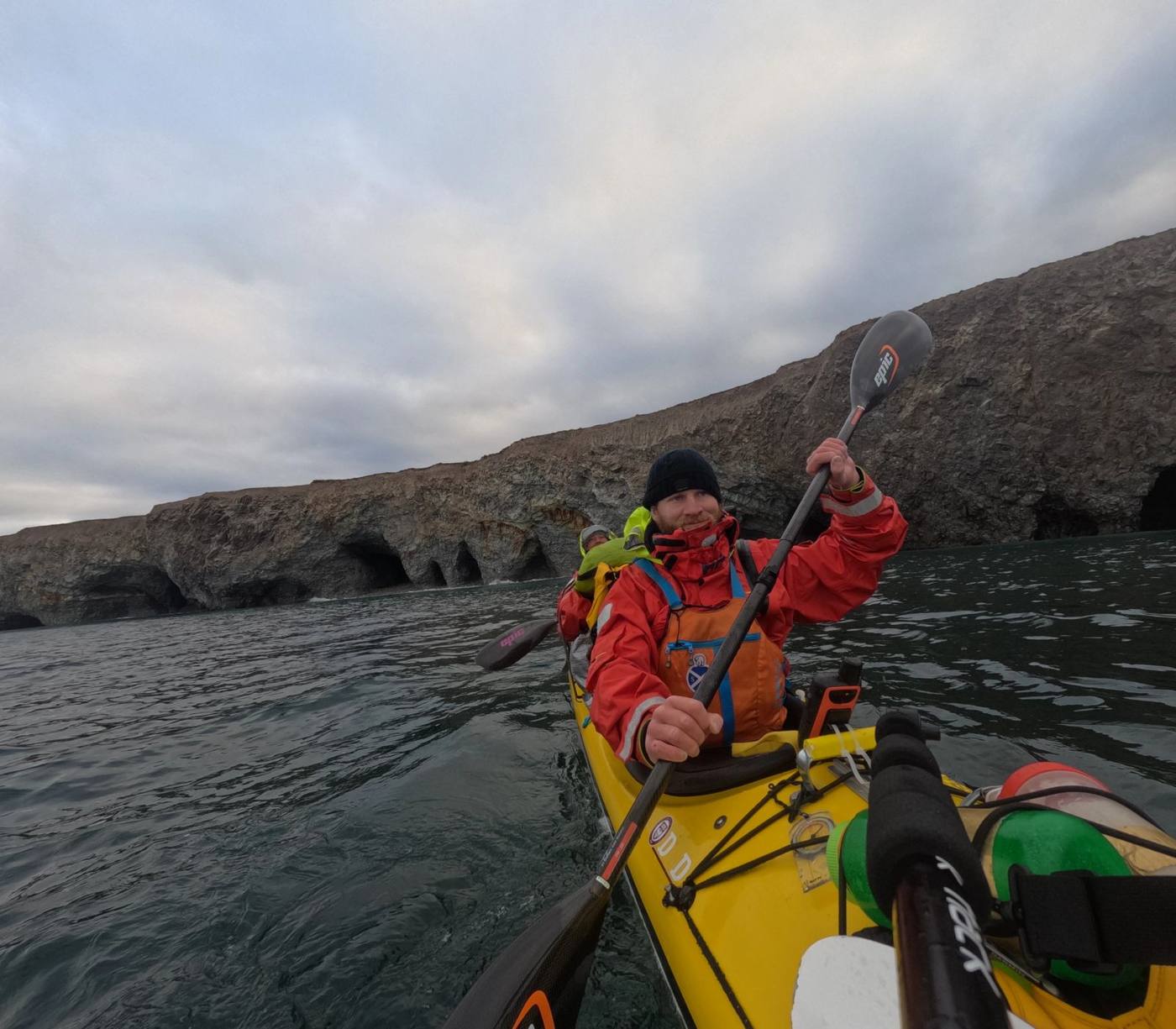 On tough days, I knew "this too shall pass".
Throwing up is an extreme example. Maybe giving up was the right option. But as I got more experience, I got better at recognising what was a passing low and what was a serious issue.
In the Northwest Passage, I often had low moments. There was one day in particular when I was close to tears and absolutely depleted. With over a 1000 miles to go, the old me would have been overwhelmed. I'd have wondered how the hell I would recover in time to paddle the next day, and the next day, and the next day. I didn't have a chance to rest, so it stood to reason that I was only going to get worse.
But with my attitude learned from the Hong Kong running community I confidently said to myself "this too shall pass", kept going and sure enough, it did.
Finish lines are in the mind - Big Dog's Back Yard:
No matter how bad it got in the Northwest Passage, I felt like I could keep going forever. On the first night, there was ice all around us and I wasn't sure if we'd make it back to land in an hour or in 10 hours. Either way, I knew I could last indefinitely.
A combination of a race called Big Dog's Back Yard and a booked called Endure by Alex Hutchinson taught me that finish lines are in the mind.
When a runner collapses over the finish line, is it that they've so perfectly paced themselves they couldn't go another step? What if the organisers had accidently put the finish line a further 100 yards down the road - would the runner collapse 100 yards short?
No, because the mind knows when it reaches the finish line. Your mind holds you together until it knows its over and lets your body collapse. Conversely, if you're expecting a finish line and you reach it only to find out that you have to go further, it can cause a big slump and it's difficult to keep going passed your expectations. In the Northwest Passage, where and when we'd finish for that day was often ambiguous. Plans were fluid.
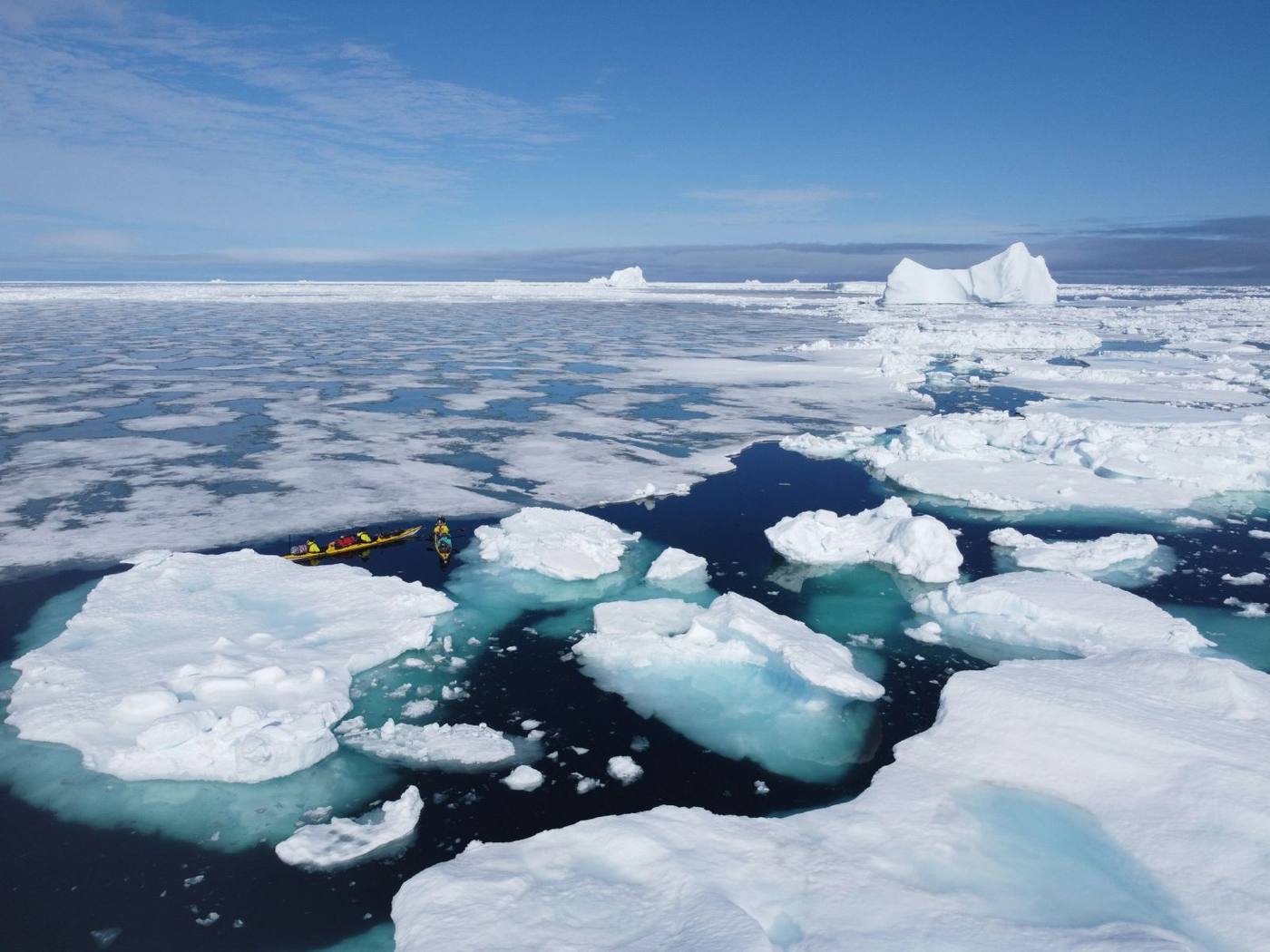 Ice trapped us, meaning we never knew when the day would end.
Big Boar's Back Yard has no finish line. It's a race with no end. Runners complete a fairly easy 6.7km loop, starting on the hour every hour. Their break is as long as the time between finishing one loop and starting another. If they finish in 45 minutes, they have a 15 minute break. If they finish in 59 minutes, they have a one minute break.
And it keeps going until there is just one runner left. When you start, you have no idea how long until the end.
Hong Kong runner William Hayward surprised even himself when he found himself one of two runners left. He ran around and around the 6.7 loop for 60 hours before basically blacking out and coming too running somewhere off course.
I tried to train my mind to let go of expectations and to go until it was done rather than when I expected to be done. When I ran the HK100 I injured my knee and had to walk, when I rowed around that loop for 12 hours it didn't matter how fast I went as the end never got closer, I once sat on a rowing machine for 100km. It was meant to take 8 hours but it took 11.
These were all chances to practice letting go of expectations. The expedition was full of uncertainties. It wasn't like a race with a structure and a finish line. I knew that my mind would hold my body together, even if some hoped for landing spot never materialised.
On one occasion, we'd been paddling for 11 hours and we expected to finish within an hour. Ice conditions changed. We paddled for another seven hours before we could land. Our lives depended on our ability to keep going and outlast our expectations.