 Mark Agnew
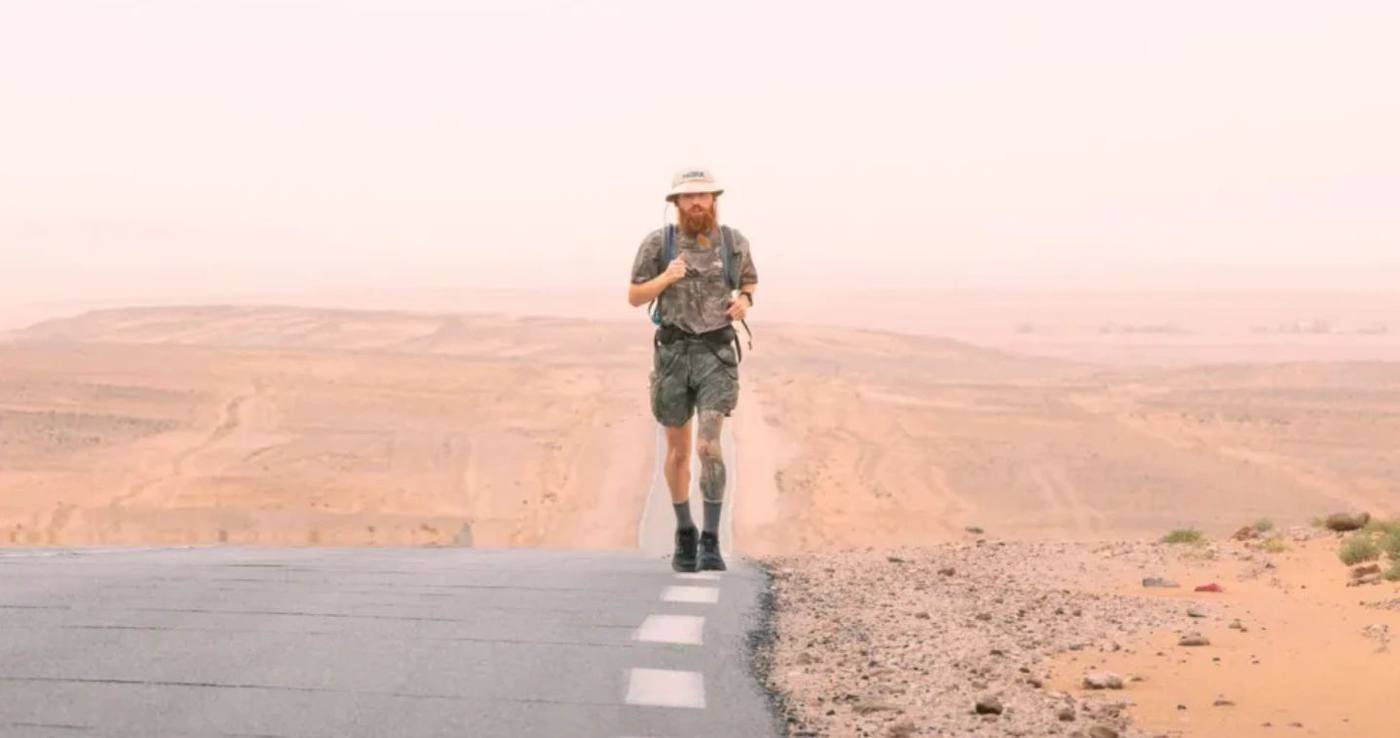 The Hardest Geezer ran the length of Africa. Photo: Guus Van Veen
Russ Cook, aka the Hardest Geezer, runs the length of Africa in one year
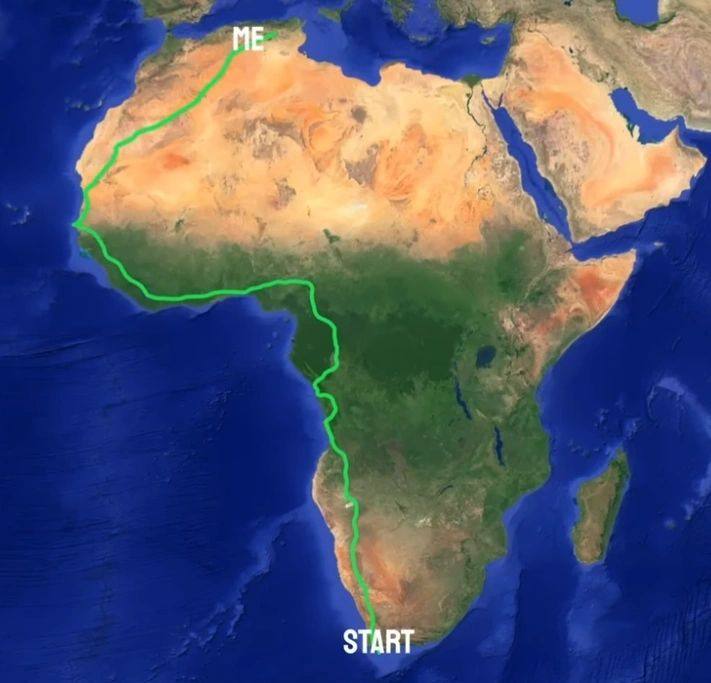
Russ Cook has just completed a truly epic adventure. He ran from the most southern tip of Africa to the most northern. It took 352 days, he was held at gun point, became seriously ill and had near-trip ending visa issues. He overcame it all. He ran 10,190 miles (16,400km) from South Africa to Tunisia.
The achievement has made headlines around the world, and rightly so. And he's raised £775,000 for charity too.
I'm in awe of his adventure. It will have been an utterly unique experience, but there is one thing almost all adventurers have in common - the post-expedition blues.
Having had such a clear purpose while planning and training for the expedition, then enjoying the pure simplicity of the daily goal itself, is bliss. To come back to reality can be jarring. Especially as so few people can relate to what you've been through. Soon the question, "What's next" starts ringing in our ears. Is it not enough that you've just run the length of Africa?
Enquire about a talk today
I came back from the Arctic's Northwest Passage a few months ago. My teammates and I became the first people to kayak the entire route. It took 103 days, it created a media storm. Like Cook, I was on the BBC, Sky News, ITV and literally hundreds of other outlets (less than Cook, for sure). I was awarded European Adventurer of the Year and Endurance Asia's Extraordinary Feat of the Year.
The adventure feels simultaneous like yesterday, like 10 years ago and like it never happened.
I haven't had post-adventure blues though. I feel lucky in that respect. Maybe Cook won't too. I'm not comparing our expeditions just the experience Cook might have when coming back down to earth. Maybe this is unnecessarily. He almost definitely won't read this. But just in case, here is my four tips for the Hardest Geezer on how he can manage the come down:
- Focus on the adventure not the outcome
- Prepare for the repetitive "how was it?" question
- Seek out a community who can relate to your experience
- Derive joy from the experience and social media will feel less vile
Focus on the adventure not the outcome
Destination addiction - the power of how we talk
Cook should remember that the adventure was everything that happened between the start and finish. It wasn't defined by the fan far on the last day.
Emphasize the intrinsic experience. Do not emphasize the outcome. This will help contain the blues and bring a more lasting contentment.
When I'm asked about the Northwest Passage, I make a point of talking about the experiences and the relationships. I avoid emphasizing how amazing it was to become a world first record holder. It helps me focus on remembering the journey.
The way we talk about things are powerful - if I continuously repeated how great the finish was and all the praise that followed, that would become a self-fulling story about what I enjoyed most.
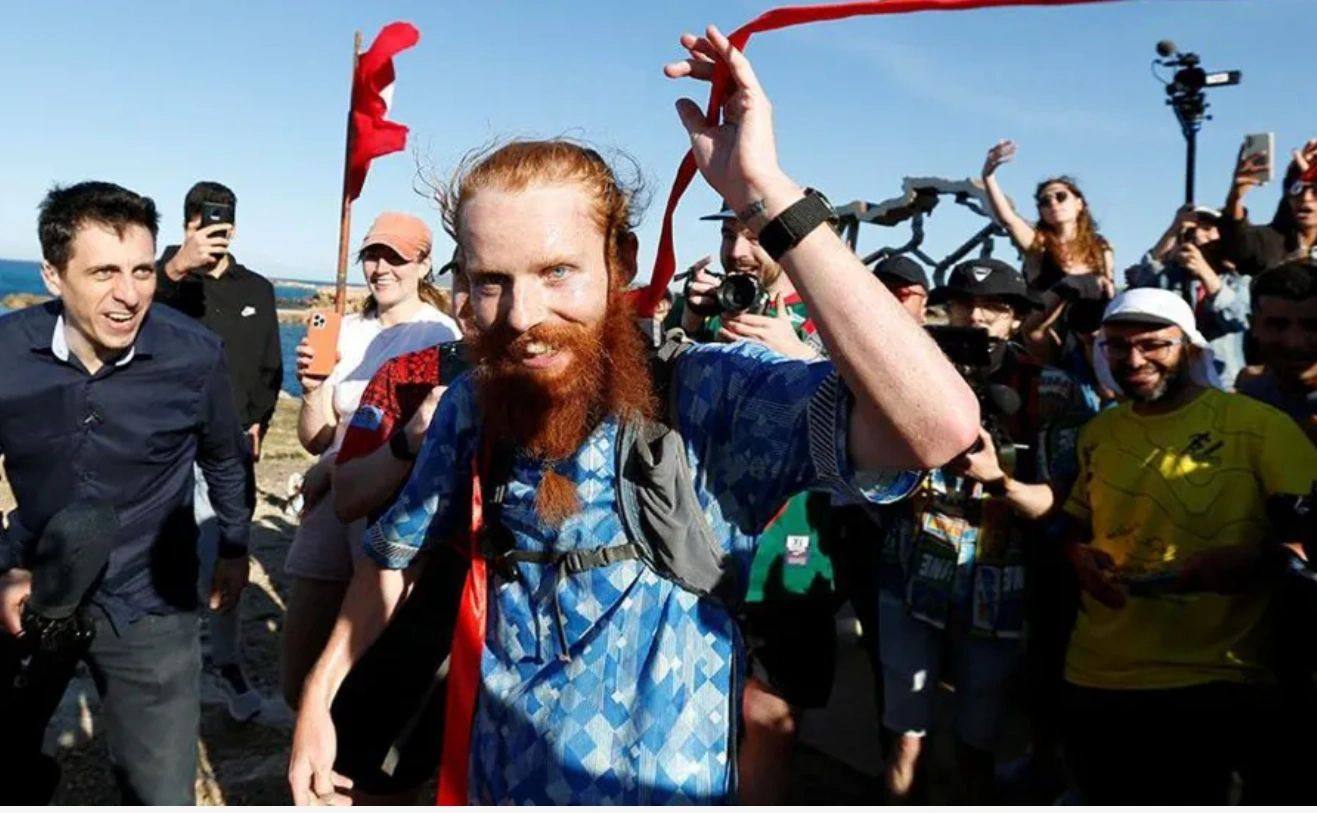 Cook finishes his epic adventure. Contment comes from focusing on the experience not the outcome. Photo: Reuters
The danger is the outcome is fleeting. Soon, it'll be yesterday's news, there will be nothing to sustain the joy of the moment of "victory".
This can cause something called "destination addiction", where we start chasing another goal, thinking that lasting happiness will come surely as soon as we complete the next challenge, then the next, then the next.
But happiness is not a place, it's a state. And that state comes from focusing on the joy of the intrinsic experiences, not the extrinsic goals. And that focus is facilitated by the stories we choose to tell others and ourselves.
This is the most powerful tool I have to avoid blues. It means I am proud of the achievement, and content in the experience. I have lasting joy and do not have blues.
Prepare for the repetitive "how was it?" question
After a year running across Africa, prepare for how weird this question can make you feel
I was repeatedly warned that this question would feel jarring. I don't find it that bad. I don't feel entitled to other people's interest. I'm not upset by the question. But it's hard to articulate the odd feeling it conjures.
"How was it?" I was in the Arctic for 103 days. Everyday was different. There were polar bears, sea ice, storms, ice bergs and a constant uncertainty. Sometimes, I thought I might die. "It was good thanks".
I've heard so many adventurers talk about this. I've even heard astronauts talk about the question "how was it?". One says he felt like punching the next person to ask it, another said he has come to terms with it.
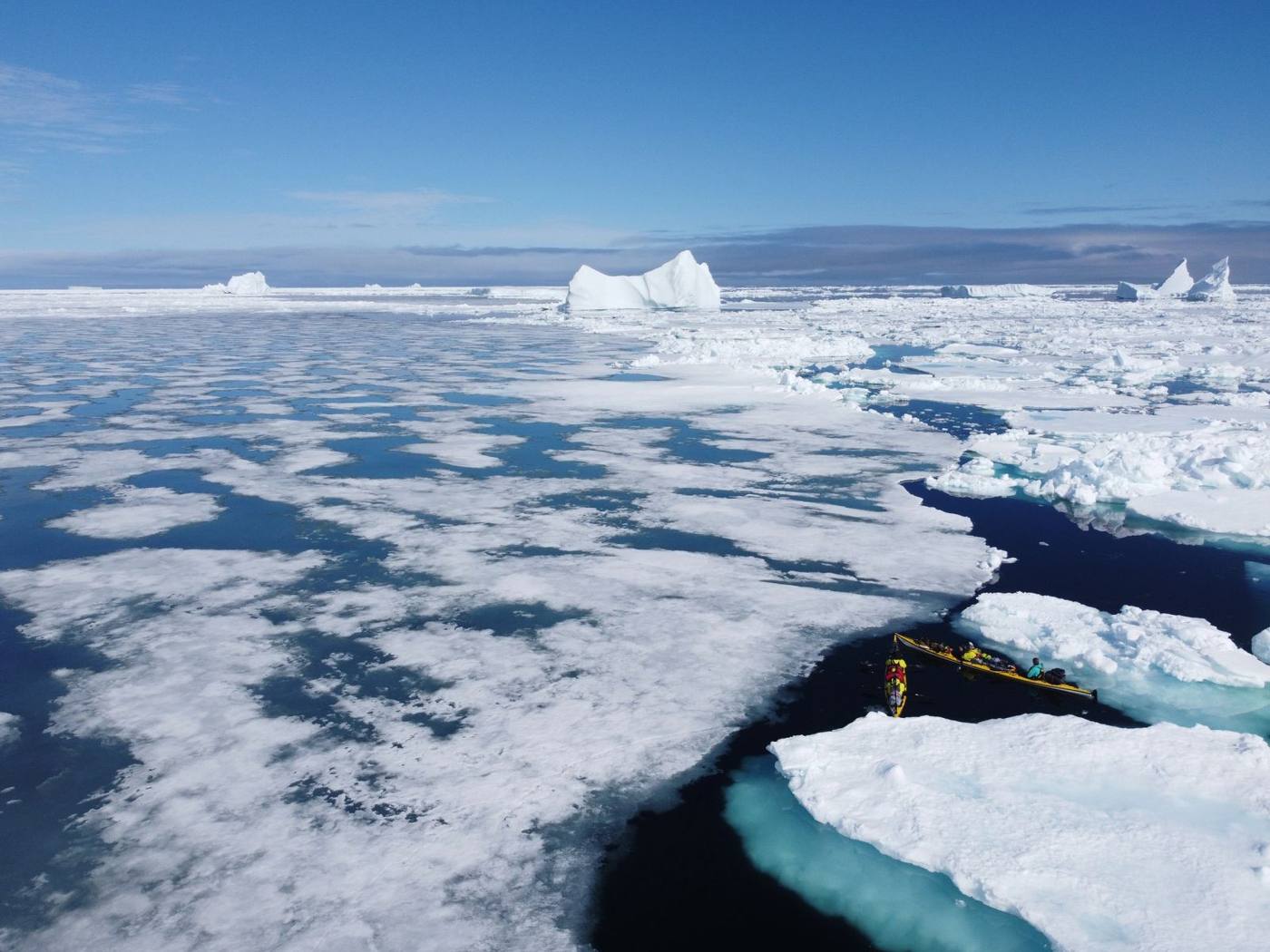 We were at the mercy of sea ice. It's difficult to talk about the experience in response to "how was it?".
I think there are three reasons that make it a jarring question to someone who has just gone through one of the biggest, most difficult and important journeys of their lives
- There's not a lot of thought to the question, so it feels a bit invalidating. Like the person isn't really that interested in what you've done.
- By extension, it is a reminder that while you've been doing this all consuming thing, everyone else has just been getting on with their lives, that the world kept on spinning, that they had important things going on too. It is reminder of the arbitrary nature of our endeavors.
- It can also make you feel inadequate - like you do not have the language or the skills to answer the question. Don't worry - no one who has been through something this big can answer that question sufficiently. The issue is in the question, not the answer.
Just knowing this in advance, warned as I was warned, helps. Side note, "What's next" is a close second as most asked and most invalidating question - was this not enough?
Seek out a community who can relate to your experience
The experience can be made richer by remembering it with people who can relate
An antidote to "how was it" is a group of people who can relate to your experience. Now, no one else has run from the most southern tip to the most northern tip of Africa, but they have gone on adventures.
One of the most rewarding conversations I've ever had was talking to my dad after I got back from the Artic. We spoke about dragging sledges across ice. He did it in 1966, dragging a sledge for miles from the ice edge to land in Greenland. I did it in the Northwest Passage, dragging the kayaks like sledges from the ice edge to land to make camp.
 Cook's experience is no doubt unique, but there are others out there who can relate to aspects of it.
The thoughtful questions that come from people who can relate can make you re-examine your own experiences and make them richer too. It's not just about avoiding the blues. It's about actually improving and enjoying your experience. I didn't know I could enjoy my experience more, and yet discussing it with those who relate makes it more enriching.
Derive joy from the experience and social media will feel less vile
Questions will be asked
I already see this happening to Cook - The World Runners Association released a statement saying they do not recognise his world first. The WRA says Jesper Kenn Olsen of Denmark first ran the length of Africa between 2008-2012. Olsen ran from Egypt to South Africa.
Cook and his team would argue, Olsen did not run the length of Africa, given Olsen didn't go from the most southern to the most northern tip. It seems self-evident to me that Cook's definition constitutes "the length". But I don't know what the WRA is using to define "the length". Their definition was not included in their press release. My point is neither to defend or condemn Cook, only to help him prepare. In fact, I think it is totally fair to question his claims and make him defend them in public. If the WRA are right, he should be held accountable.
But some of the comments will not be in good faith. Cook is already getting social media comments saying he isn't the first in quite harsh and accusatory terms. This will continue.
I get messages like this. Not often, but fairly frequently. These comments have never bothered me, for four reasons:
- Above all, my focus on the intrinsic experience over the outcome is important here too. If my most valued metric of success is the amazing experiences I had, then people debating the outcome is secondary.
- I'm confident in our research. It's all well and good being zen about the intrinsic experience but it would be hard to take if I really had a nagging feeling that we were incorrect about being the first to do the Northwest Passage. We are so confident we complied a comprehensive list of all the other human power Northwest Passage expeditions, praising them and their endeavors, on The Arctic Cowboys website here.
- I believe adventure isn't a zero sum game. I'm happy for others, I'm happy for myself. Can't we all just be happy we had epic adventures?
- It's social media. It's just one of those things - whether you are the first to run the length of Africa or posting a picture of your dog in an Easter Bonnet, there's always hate out there. You can't let yourself get too bogged down in it. Years of being a journalist taught me the futility of engaging in comments. I usually reply to direct messages but I don't get in petty public arguments.
My adventure was one of the most rewarding experiences of my life. I always focused on the journey over the outcome. That was so I didn't miss a moment of the most unique few months of my life by wishing it away. I didn't know until after, I was also building a defense against the blues and empowering myself for a life of contentment. I now travel the country sharing my story in talks and events, so others can understand the power of intrinsic motivations too.